
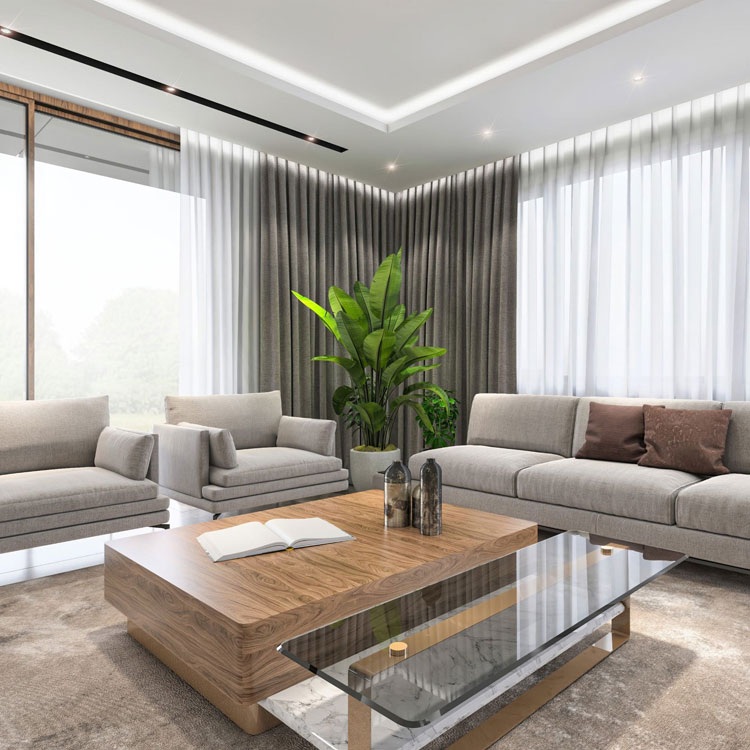
Living room with layered natural and electric light

Intelligent lighting

The right light.
Ready when the room changes.

Lighting control designed around daily routines, architectural details, and the way each space needs to feel and function.

Control without clutter

Good lighting control makes a complex home feel simpler.

A home may have dozens of fixtures, dimmers, and exterior zones, but the person entering a room should not need to think about every circuit. Thoughtful scenes can bring the right groups of lights to useful levels with one clear action.

Executive Electronics coordinates control locations, scene logic, dimming requirements, and integration with other compatible home systems so the finished experience feels consistent from room to room.

Discuss your project
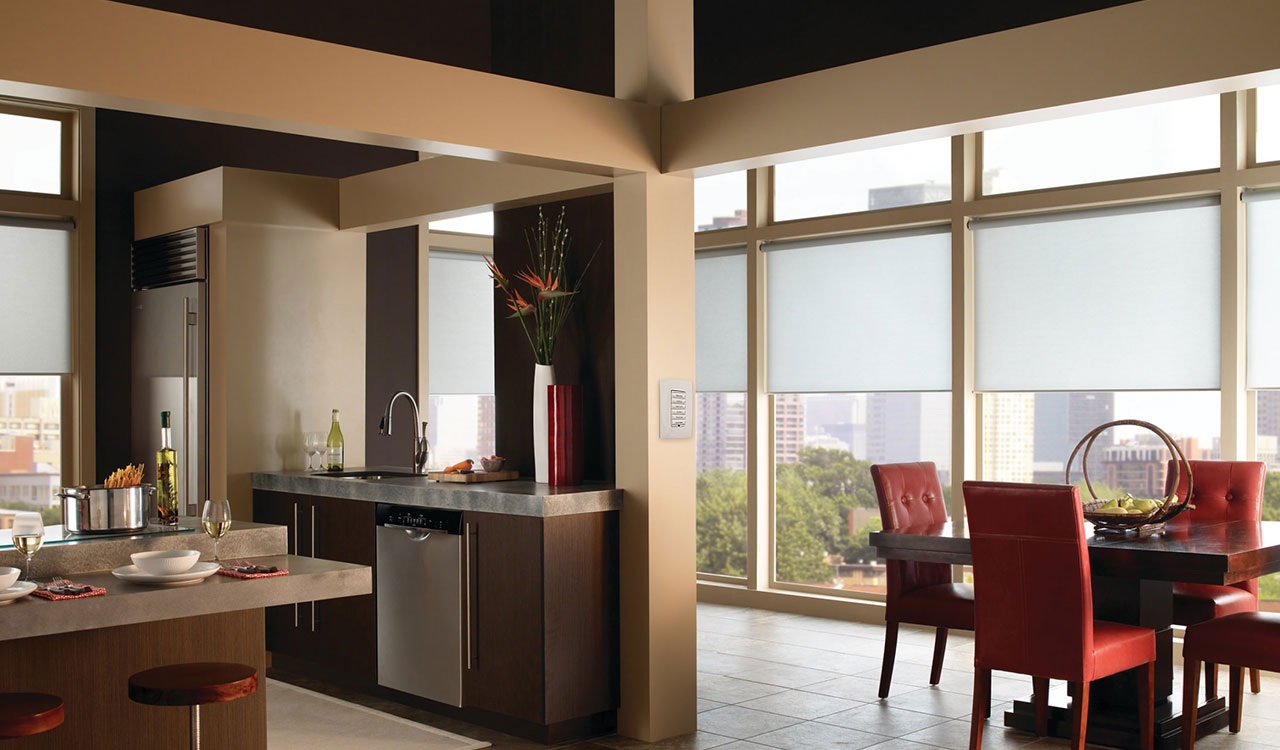
Connected living space with automated shades and integrated lighting

Scene planning

Control the room by intent, not by circuit.

A scene groups multiple lighting zones into a useful result: preparing food, welcoming guests, watching a movie, or closing the house for the night. The best scene names describe those outcomes instead of exposing the wiring behind them.

Planning scenes early also helps determine where a simple keypad is more useful than a bank of individual switches and where direct control should remain available.

Arrival

Bring key pathways and common areas to useful levels with one clear action.

Entertaining

Balance task, accent, and ambient lighting across connected spaces.

Evening

Lower selected zones together instead of adjusting each dimmer separately.

Away

Turn off planned groups consistently when leaving the property.
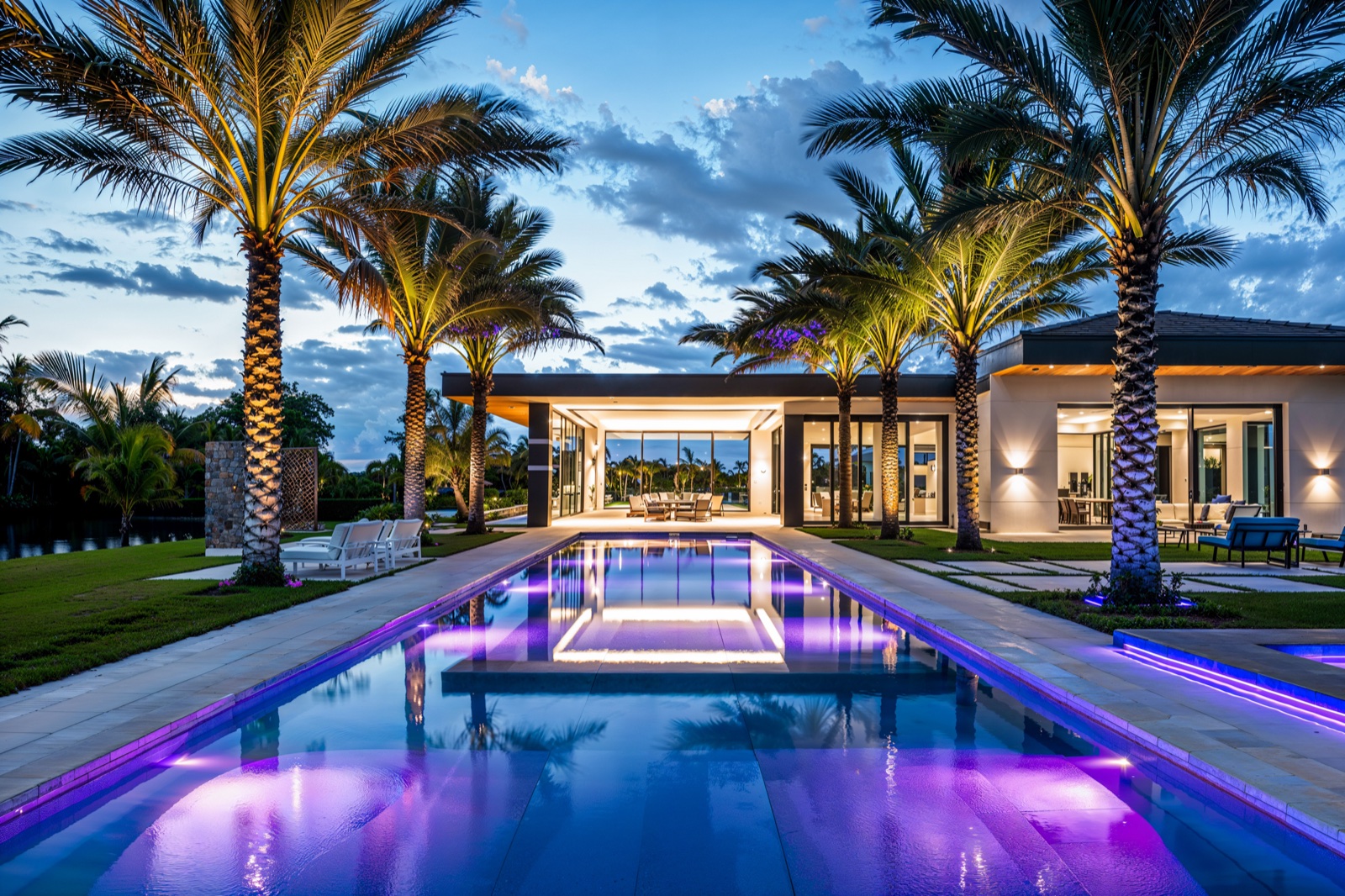
Palm trees, pool, and architecture illuminated at dusk

Whole-property coordination

Carry the same control language from inside to outside.

Interior and exterior lighting often serve different purposes, yet the controls should still feel related. Landscape, pathway, architectural, and entertaining zones can be organized around schedules and scenes appropriate to the property.

When lighting is planned with motorized shades and other compatible systems, the home can respond more coherently as daylight and activities change.

Interior layers

Coordinate task, ambient, and accent lighting without overcrowding the wall.

Exterior zones

Separate pathways, landscape features, entertaining areas, and architectural lighting as needed.

Daylight

Consider the way sun exposure and motorized shades change the lighting needs of a room.

Shared controls

Keep labels and common actions consistent across keypads and compatible interfaces.

A complete plan

The lighting-control design conversation

The interface is the final layer. The plan begins with the rooms and fixtures.

01

Fixtures

Review fixture types, drivers, dimming expectations, and electrical coordination.

02

Zones

Group lights according to architecture and use—not simply by what shares a wall.

03

Scenes

Define the repeatable room states that should happen with one action.

04

Controls

Place and label keypads around decisions people make as they move through the home.

Planning questions

Before the project takes shape.

These answers frame the first conversation. Final equipment, compatibility, scope, and availability are confirmed for the specific property.

Is intelligent lighting only for new construction?

No. The available approach depends on the home, existing wiring, fixtures, and renovation scope. Wired and wireless options can be evaluated during the project review.

Can lighting control reduce the number of switches on a wall?

In many projects, a planned keypad can replace several individual controls with clearly labeled scenes and room functions. The final layout depends on the electrical and lighting design.

Can lighting work with motorized shades?

Compatible lighting and shading systems can be coordinated through shared scenes or interfaces. The exact functions depend on the selected platforms and project scope.

When should lighting control be planned?

Earlier is better—especially when architects, interior designers, electricians, and fixture specifications are involved. Early coordination reduces avoidable conflicts between the control plan and the finished lighting design.

Plan your next project with Executive Electronics.

Contact us

239-597-9077  ·  info@eesecurity.net