
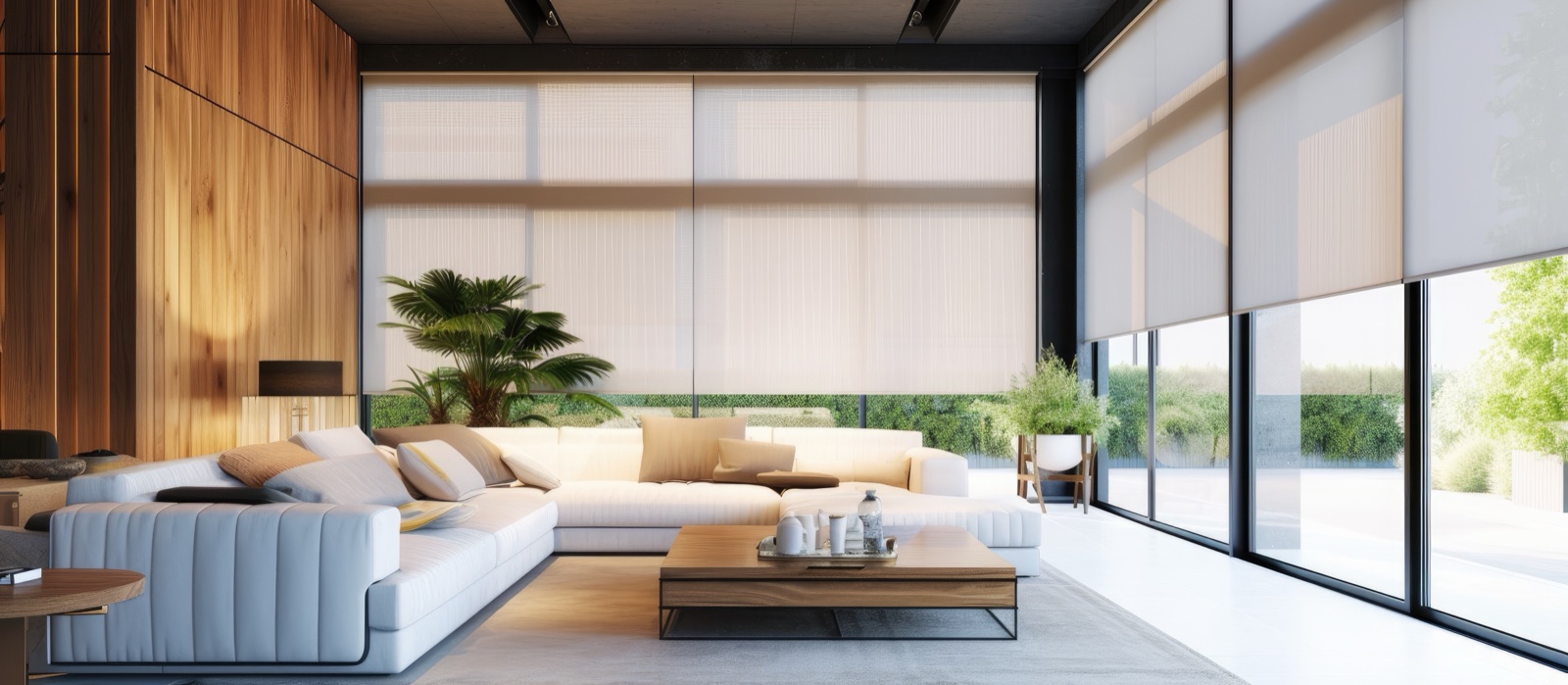
Motorized roller shades filtering sunlight through large windows

Motorized shades

Shape daylight.
Without interrupting the room.

Window treatments planned around glass, privacy, glare, architecture, power, and the controls your household will actually use.

Daylight as part of the system

The fabric is visible. The planning behind it should disappear.

Large windows are central to many Southwest Florida homes, but the same glass that opens a room to the view can create glare, privacy concerns, and uneven daylight throughout the day.

Executive Electronics coordinates shade type, fabric, power, pocket and fascia conditions, grouping, and compatible controls so the finished system feels integrated with the architecture instead of added after it.

Discuss your project
Modern living room with coordinated lighting and motorized shades

Room-by-room specification

Different windows can call for different answers.

A living room focused on the view may need a different fabric and control pattern than a bedroom focused on privacy. Window dimensions, direction, trim, pockets, furnishings, and the way a room is used all affect the specification.

Treating those conditions as a coordinated schedule helps the shades look consistent while still solving the right problem in each space.

View-through

Balance daytime visibility with the amount of solar filtering appropriate to the room.

Privacy

Plan more private spaces around the conditions that exist during both daylight and evening hours.

Glare

Address direct light at televisions, work surfaces, and gathering areas without treating every window alike.

Architecture

Coordinate mounting, pockets, fascia, and fabric roll direction with the visible finish details.
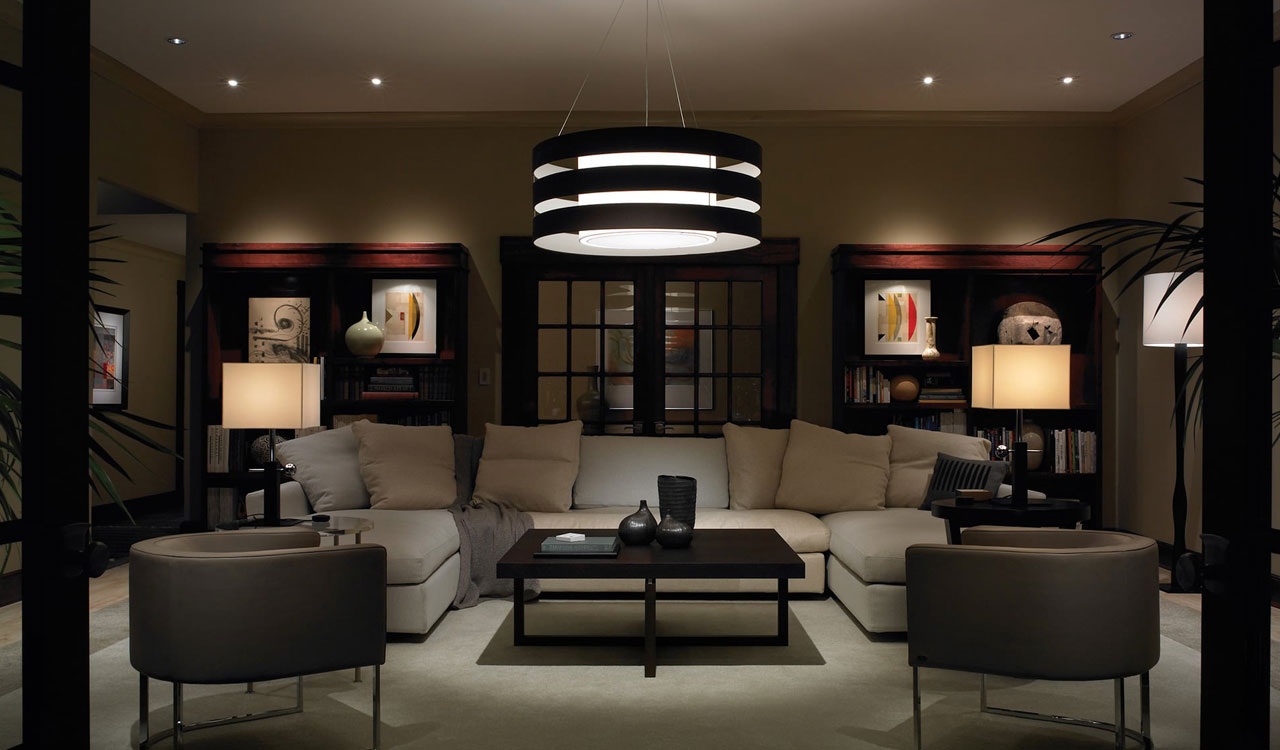
Connected Southwest Florida living room with large windows

Control and coordination

Move one shade, one room, or the planned groups together.

Motorization is most useful when the controls match how people move through the home. A nearby keypad may handle a room, while a shared scene can coordinate several spaces at arrival, evening, or bedtime.

Lighting and shades can also be considered together so daylight control and electric light support the same room-level intent through compatible systems.

Local control

Keep direct operation available where a person naturally enters or uses the room.

Room groups

Move related shades together without selecting every window individually.

Schedules

Use planned time-based operation where it serves a repeatable household routine.

Shared scenes

Coordinate compatible shades and lighting around recognizable actions.

A complete plan

What gets decided before the shades are ordered

The cleanest installations are resolved before fabric and hardware arrive.

01

Measure

Confirm finished openings, mounting conditions, clearances, and window groupings.

02

Specify

Select shade type and fabric characteristics around the room's actual needs.

03

Coordinate

Resolve power, pockets, fascia, wiring, and responsibilities with the project team.

04

Program

Organize individual controls, groups, schedules, and compatible scenes for handoff.

Planning questions

Before the project takes shape.

These answers frame the first conversation. Final equipment, compatibility, scope, and availability are confirmed for the specific property.

Can motorized shades be added to an existing home?

Often, yes. The practical options depend on the windows, available power, mounting conditions, desired shade style, and how much finish work is acceptable. A site review determines the suitable approaches.

How is shade fabric selected?

Fabric selection considers privacy, view-through, glare, light filtering, color, and the room's use. Different spaces may need different openness or privacy characteristics even when the visible palette remains coordinated.

Can multiple shades move together?

Compatible shades can be organized into room or household groups and included in planned scenes. The final grouping should reflect the way the spaces are used.

Should shades be planned before construction is complete?

For projects using concealed pockets or wired power, early coordination is especially valuable. It allows window dimensions, power, framing, trim, and control locations to be resolved before finishes limit the available options.

Plan your next project with Executive Electronics.

Contact us

239-597-9077  ·  info@eesecurity.net